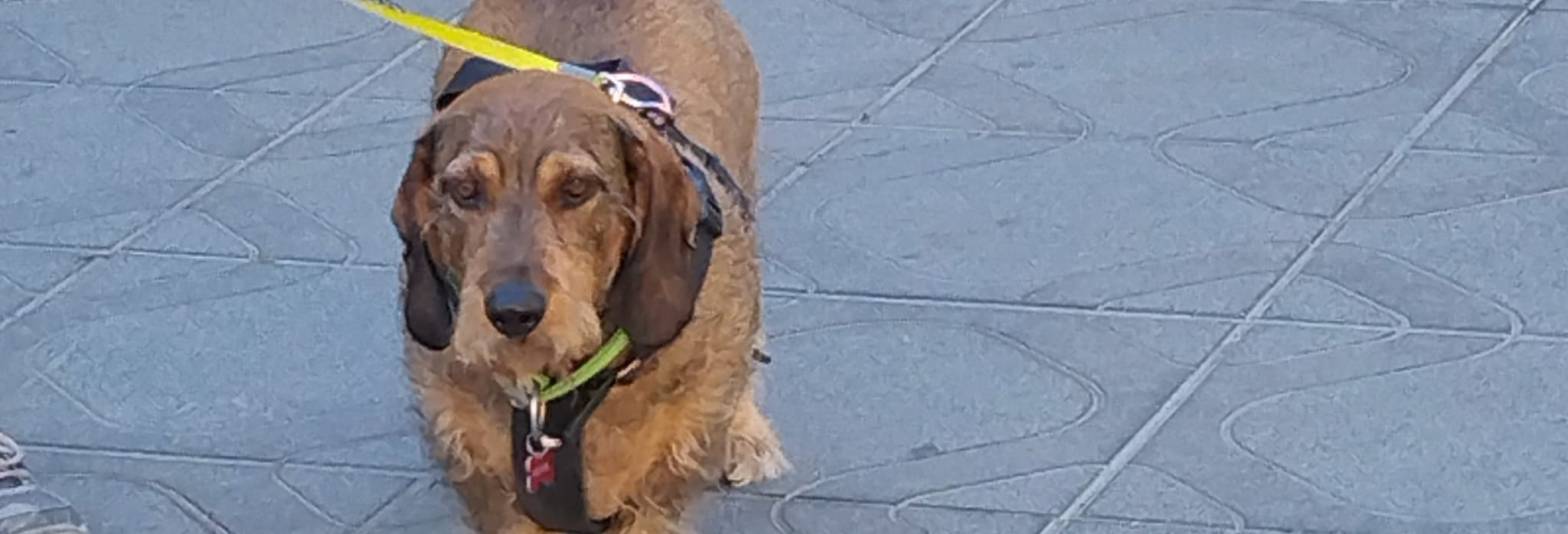
Mene ad amphitheatrum?

I can’t believe it’s nearly the end of our holiday already. Five weeks already gone and only a few more days left. We want to make the most of the final week so Dad said we could have one final big adventure. After lots of ideas – beach, countryside, town, castle – we decided on the nearest big city – Tarragona!

The city is about an hour and a half from Peniscola and has been standing in the same place for nearly 5000 years. Now that’s old! It’s been known by various names over the years but the Romans called it Tarraco. The modern city is full of Roman sites mixed in with more up to date buildings and is so big you can’t see everything in one day. As my legs are short and still aching from all the walking I’ve done, we decided to visit one area where we could see a bit of everything – Rambla Nova.
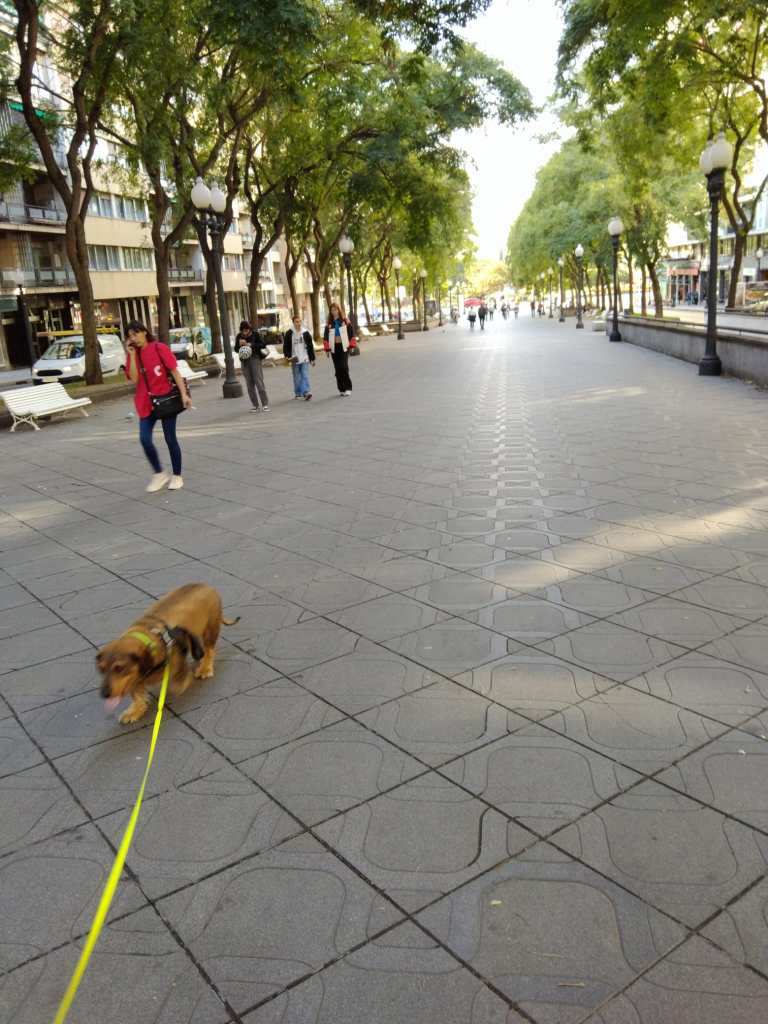
Rambla Nova

Rambla Nova is the main street in Tarragona and the place to see and be seen. It runs in a straight line from the Francolí river and Plaça Imperial at one end down to the sea at the other. At over a kilometre long it seems to me that it goes on forever! It didn’t exist until the middle of the 1800s because it was the site of the San Juan city walls.

The Rambla is a dual carriageway of sorts with lots of traffic passing on both sides of the central promenade that is full of fountains, statues and monuments. There are also restaurants and cafes so plenty of places to rest my aching legs!
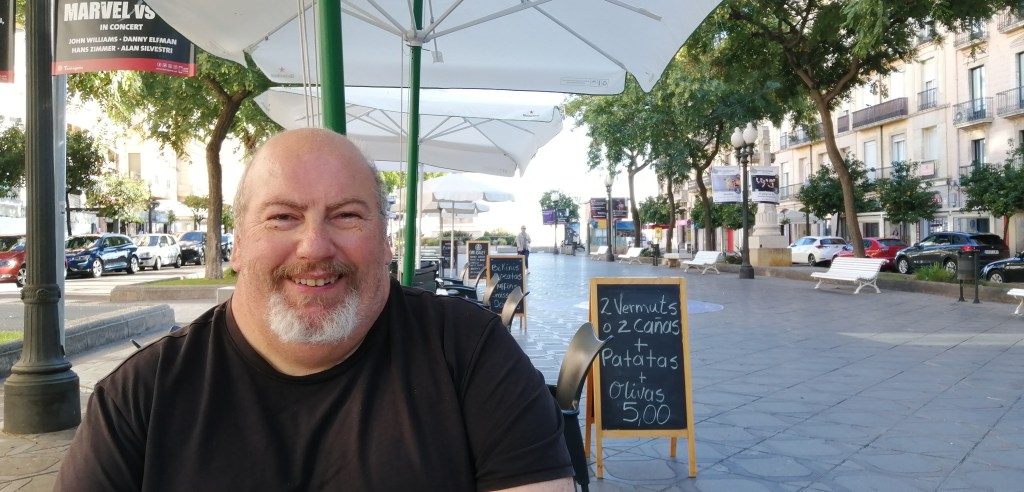
Time for coffee!

We park the car near Plaça Imperial which is now the main transport hub in the city and start our long walk towards the sea. After crossing the first road I can see a huge statue reaching up to the sky in front of me. It is the Castells monument that celebrates the human towers that are famous in Catalonia especially during the Santa Tecla festival in September. The statue reaches up 11 metres in the sky and had 222 individually cast bronze people who make up the tower. It all looks too dangerous to me and I’m glad it’s November!
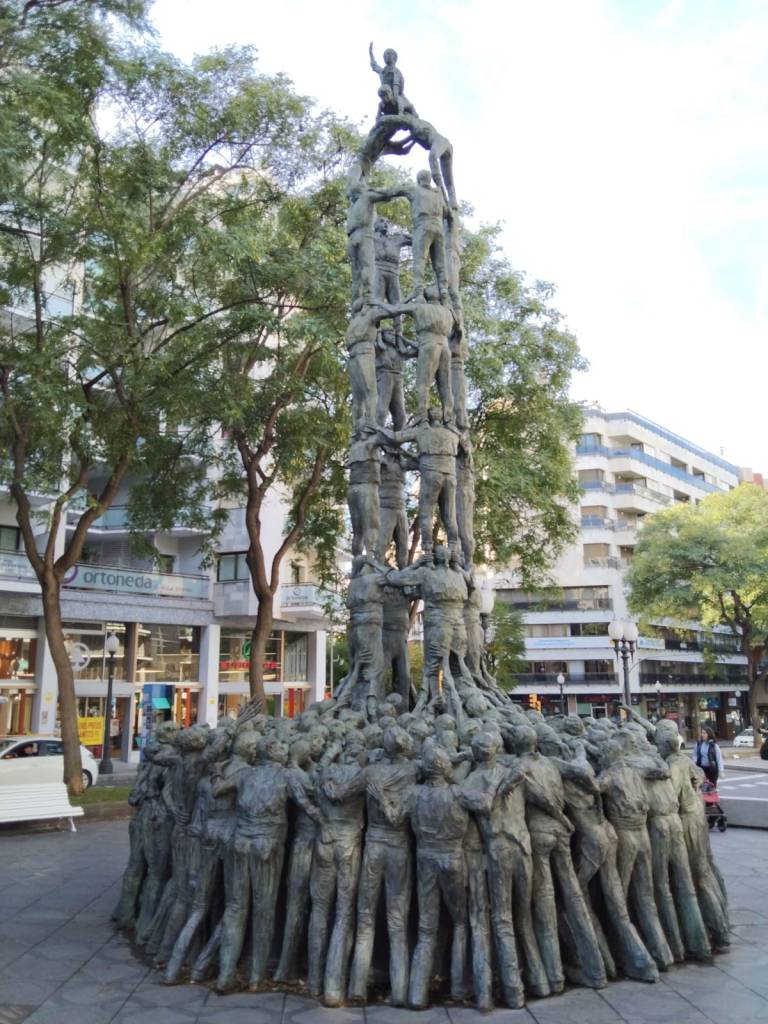
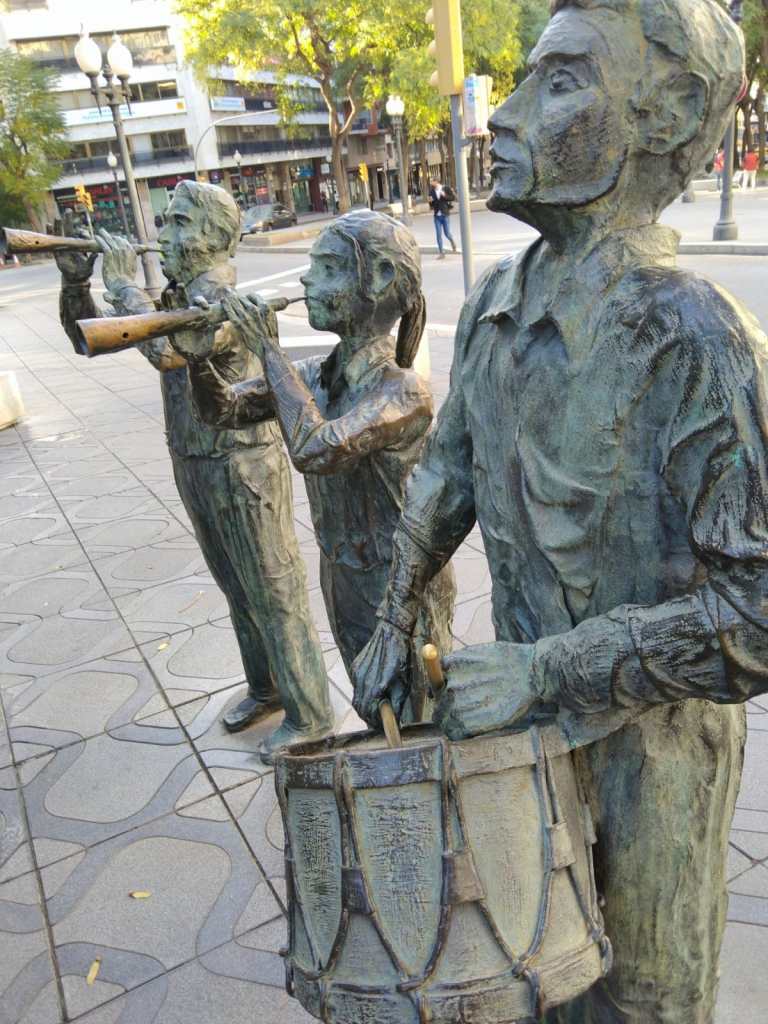
Castellers statue
Music to climb by!

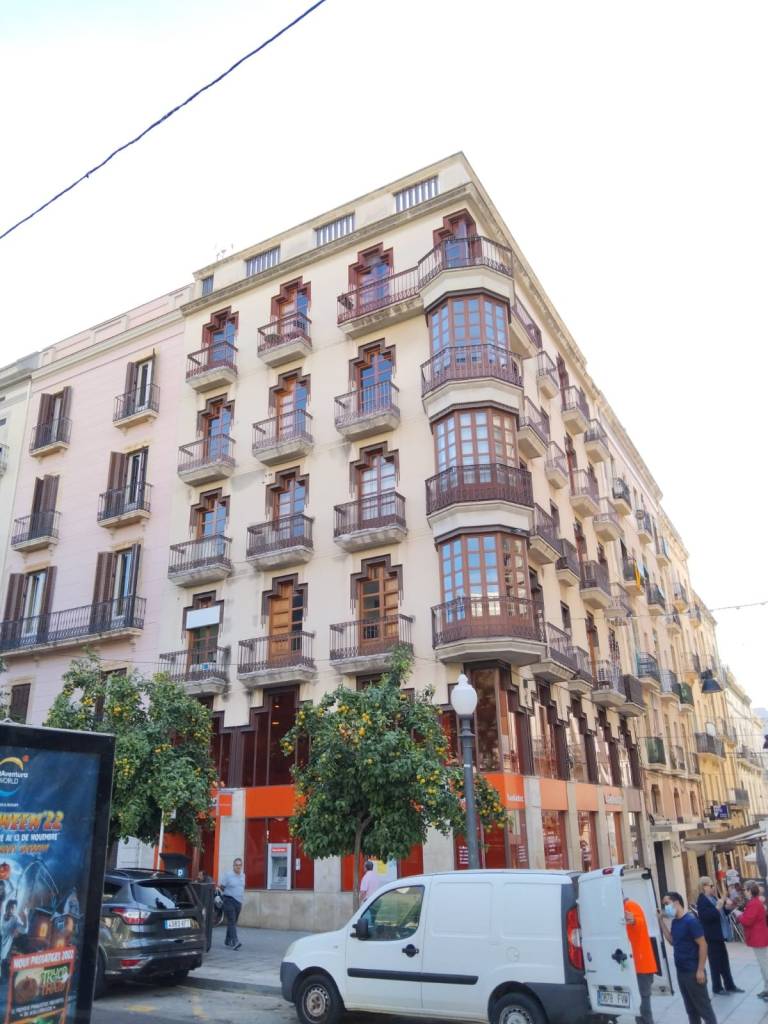
As we carry on walking I spot tall buildings on either side of the street. They don’t look Roman, I think to myself and Dad explains they are in the Catalan modernisme style again, the same we saw in Reus. I like the look of these. I always think I’m in a Poirot film set waiting for the murderer to be revealed. Some of the buildings look a bit tired (like me!) now but I can imagine how stylish they probably once were.
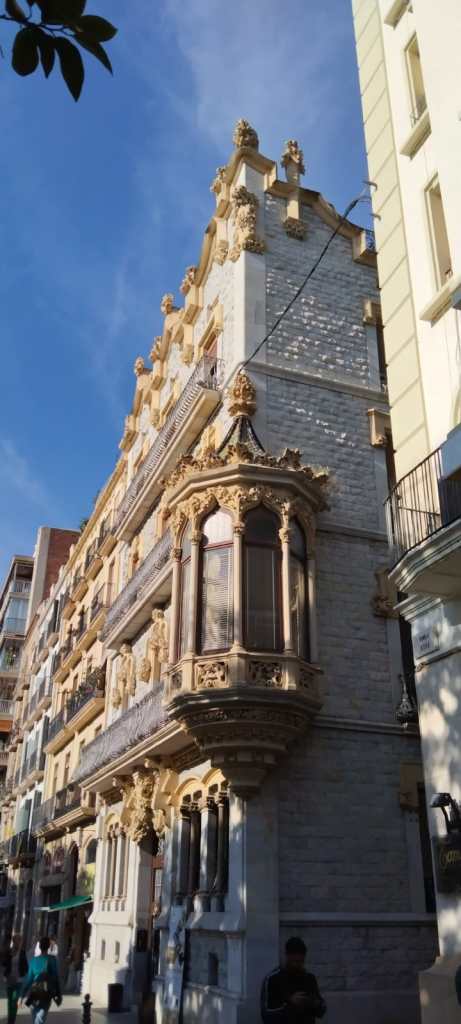
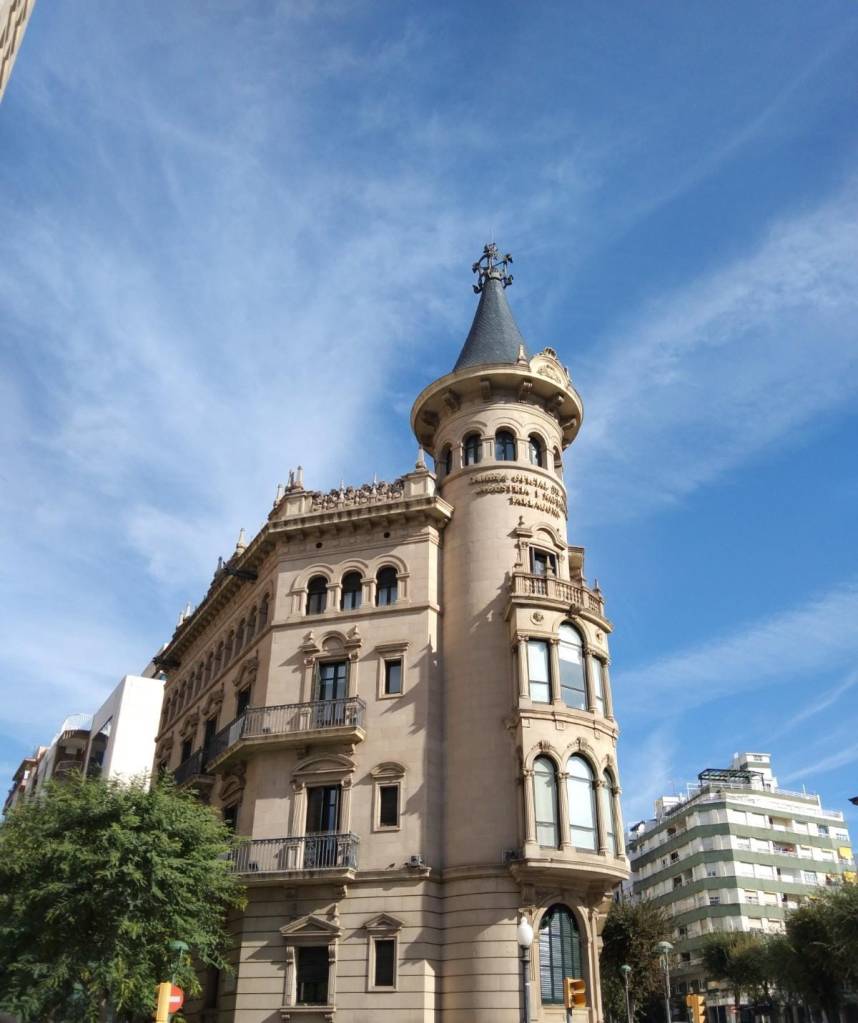
Modernisme on the Rambla
Do the Munsters live here?
Anyone seen Poirot?

Half way down Rambla Nova is the 1811 monument. It was built to commemorate the centenary of the siege of Tarragona after it was attacked by Napoleon. When it was made back in 1911 it caused a bit of a stir because it contains naked figures – not appropriate for the time. Dad said I wasn’t allowed to look because I’m only 6 but I got a sneak peek anyway!
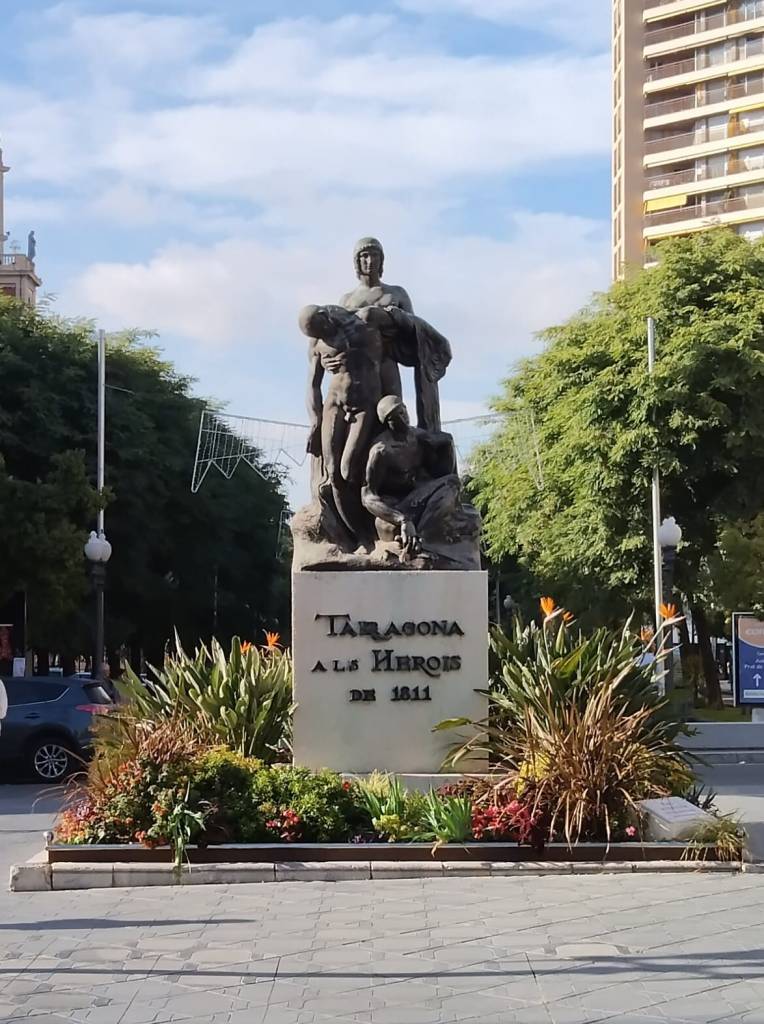
1811 memorial

Finally we reach the end of the Rambla. It has a great viewpoint over the sea, port and to the old town. This is called the balcony of the Mediterranean and at 22 metres above the sea I can understand why. The view is great but it makes me feel dizzy looking over the edge of the cliff. I’m sure I could fall through those little railings!
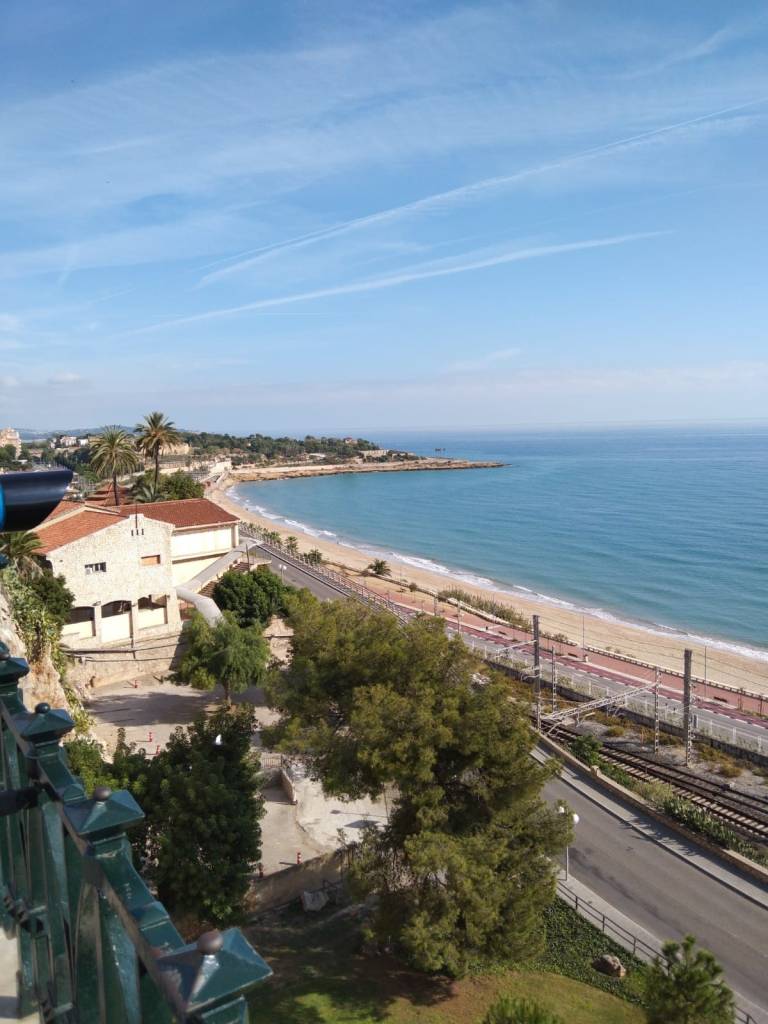
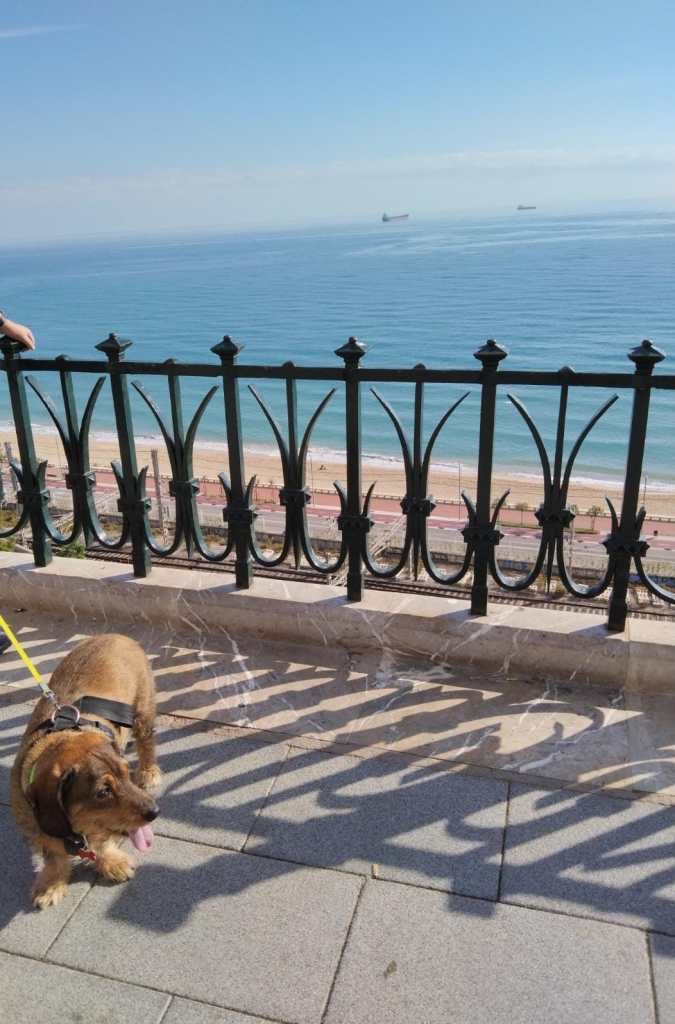
Balcón del Mediterráneo
Feeling a bit queasy

Back to the car now for a well earned rest I think to myself but no, Dad says there’s one more thing to see. Mene ad amphitheatrum? or should I say which way to the amphitheatre?

Luckily it’s just a short trot across the balcon and we can see the amphitheatre nestling between the cliffs and the sea below us. It’s a massive building and looks impressive even today. Tarragona (or Tarraco as it was known then) was on the main route along the coast of Iberia and it was the biggest and richest city on the peninsula. There was a forum, circus, walls, villas, aquaducts and of course the amphitheatre. It really was the place to be! The amphitheatre originally held 15000 people and as we look at the remaining building today, I wonder how many dogs sneaked in to watch the brave gladiators battle it out in the arena.
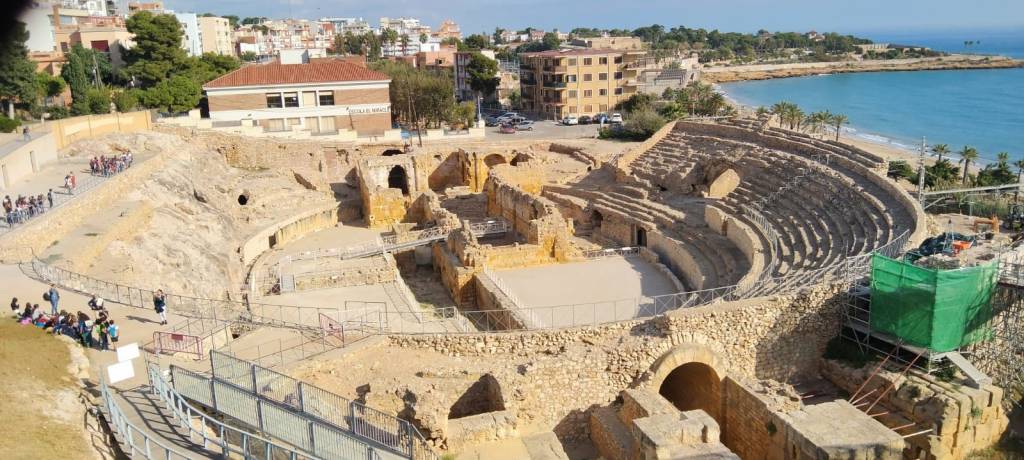
The amphitheatre

Can we go home now Dad? It’s been great seeing so many exciting places but I’m all holiday-ed out and I need a rest!
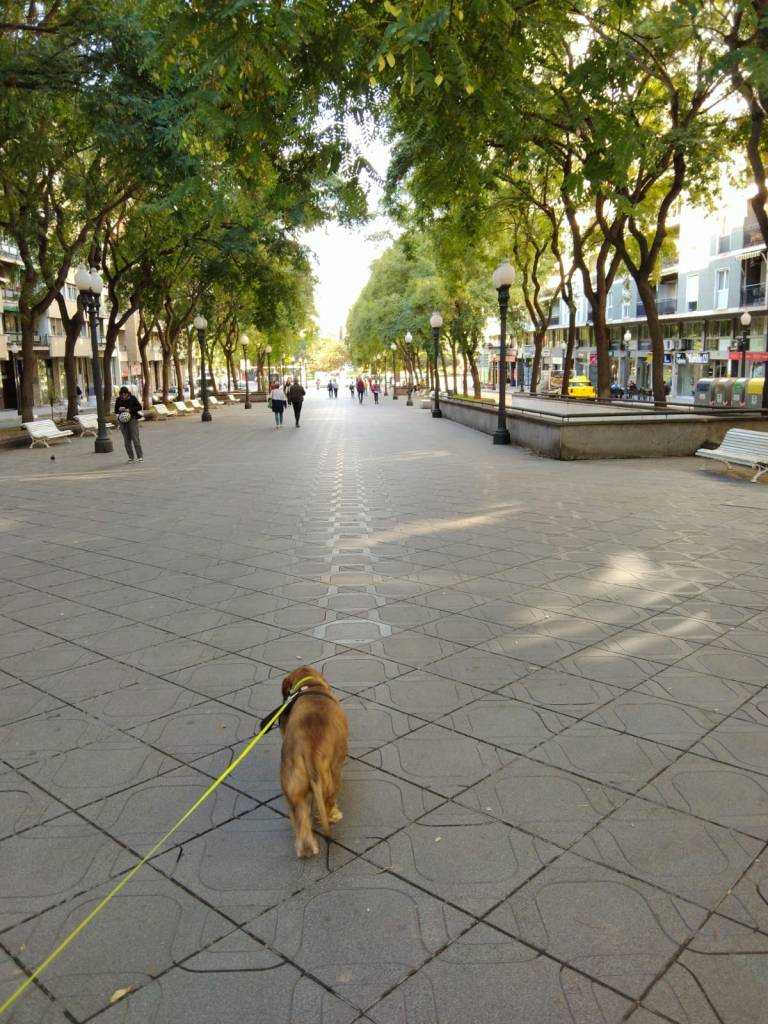
Let’s go home now please

Tortilla.. or is it Tortosa today?

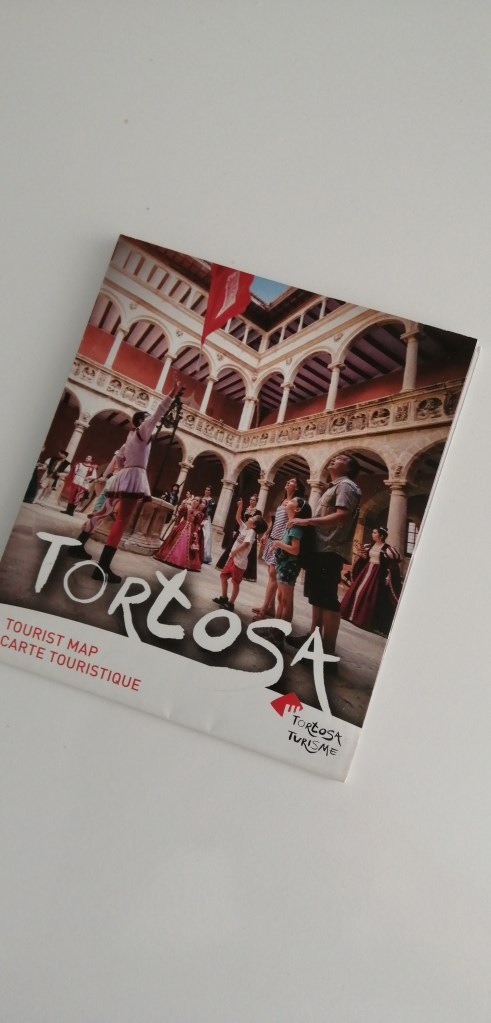
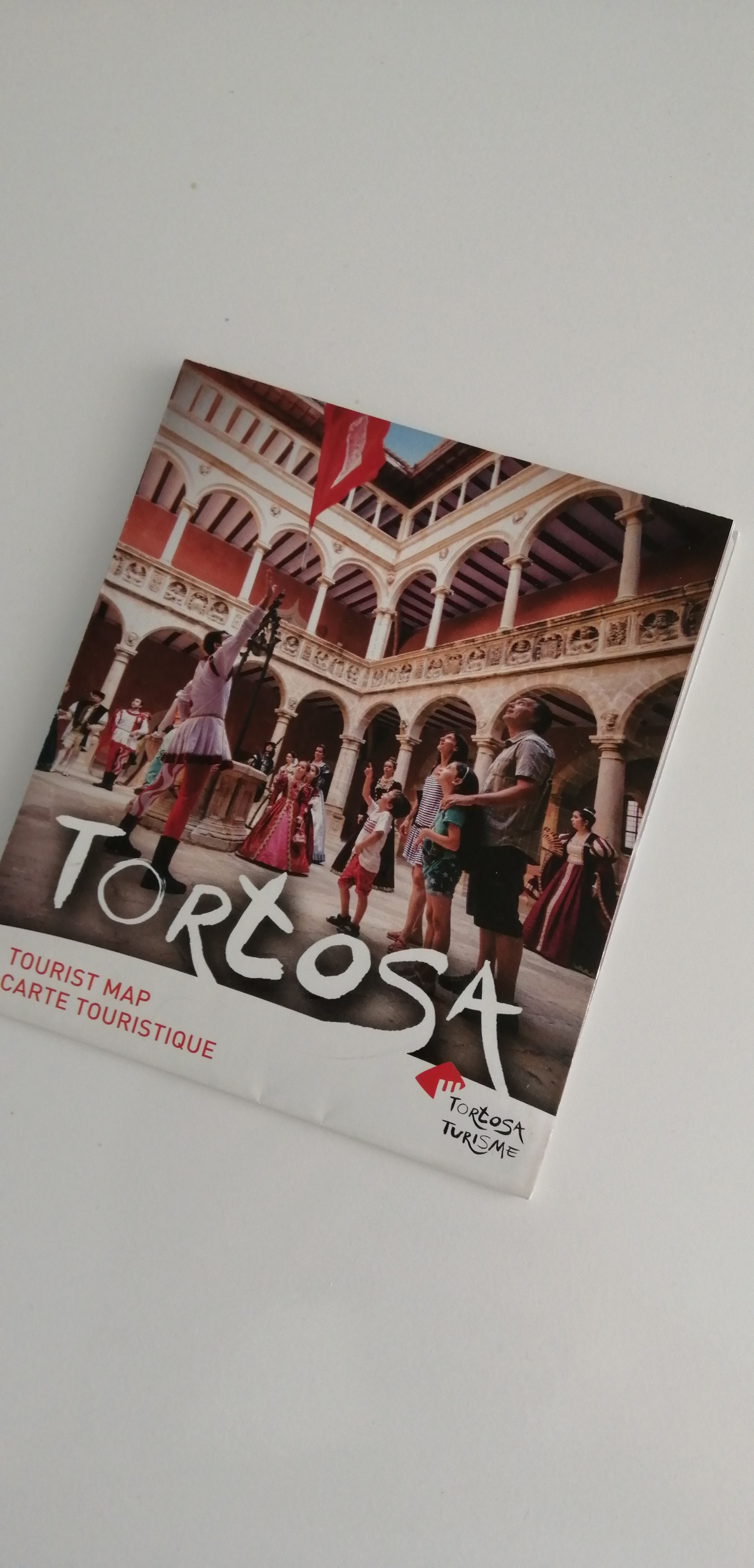
A few days ago I was just sniffing around, like I usually do, and I found an old leaflet hidden under a cupboard. With a lot of licking and pawing I managed to get it out. Now I admit I’m not that good at reading but I could see the letters “T O R T …”. Great I thought – a recipe. It starts with TORT so maybe it’s a tortilla! I love those eggy omelettes! Or maybe some type of torta! Who doesn’t like cake! So I took the recipe to Dad and to my disappointment it was a leaflet for the local city – Tortosa and not food at all! Dad suggested we go to explore and the next day we were all in the car on the way to the city.

A recipe or a place?

The journey was about 40 minutes and we were soon turning off the motorway towards the city centre. The road twists and turns past a canal but I can’t see any boats and in fact the bridges passing over the water only just skim the top. I ask why they built it here like that. Dad points to the fields that stretch out on either side of the canal but are lower than the banks. What’s that growing I wonder as I spot small green grassy looking plants sticking out of flooded fields. It’s rice! Did we take a wrong turn somewhere? I thought rice only grew in China but no this is Spanish rice!

Finally we reach the city centre. We park near the river. It’s very busy and traffic whizzes past. I’m not so keen but Dad says it’s going to be quieter soon. Tortosa is an ancient place and walking through the streets soon turns into something from Harry Potter!

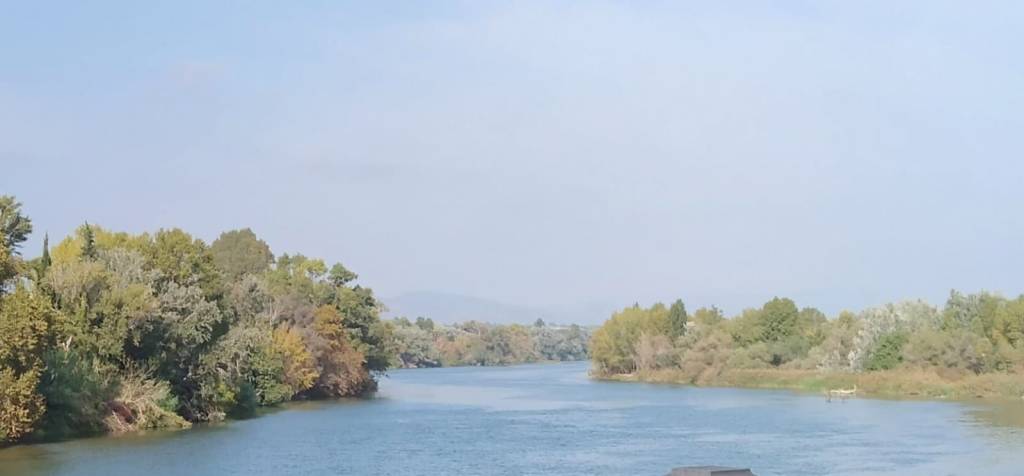
We start at the river that has been at the heart of the town from its beginnings back in prehistoric times. I can just see it over the wall, stretching into the distance. It’s wide and on both sides I can see the lush green trees, something that’s rare here as the only rivers we have seen have been dried up and dusty. Tortosa is just 12 metres above sea level and I wonder if the town has ever been flooded. I’d prefer to be a bit higher, just in case!

River Ebro

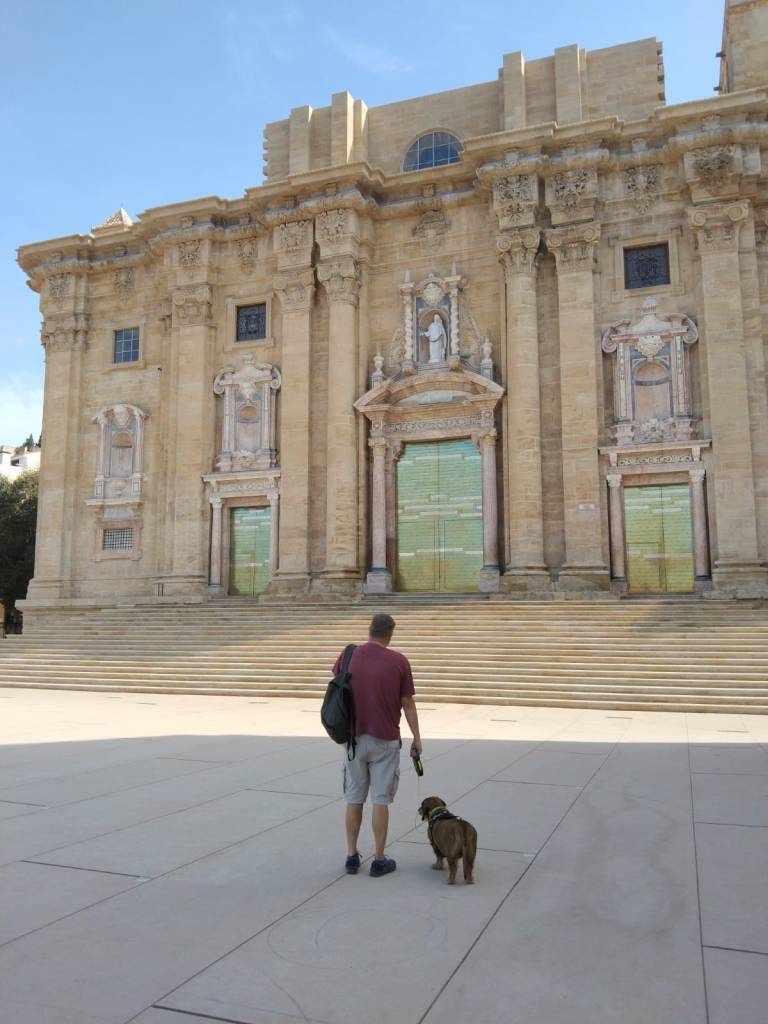
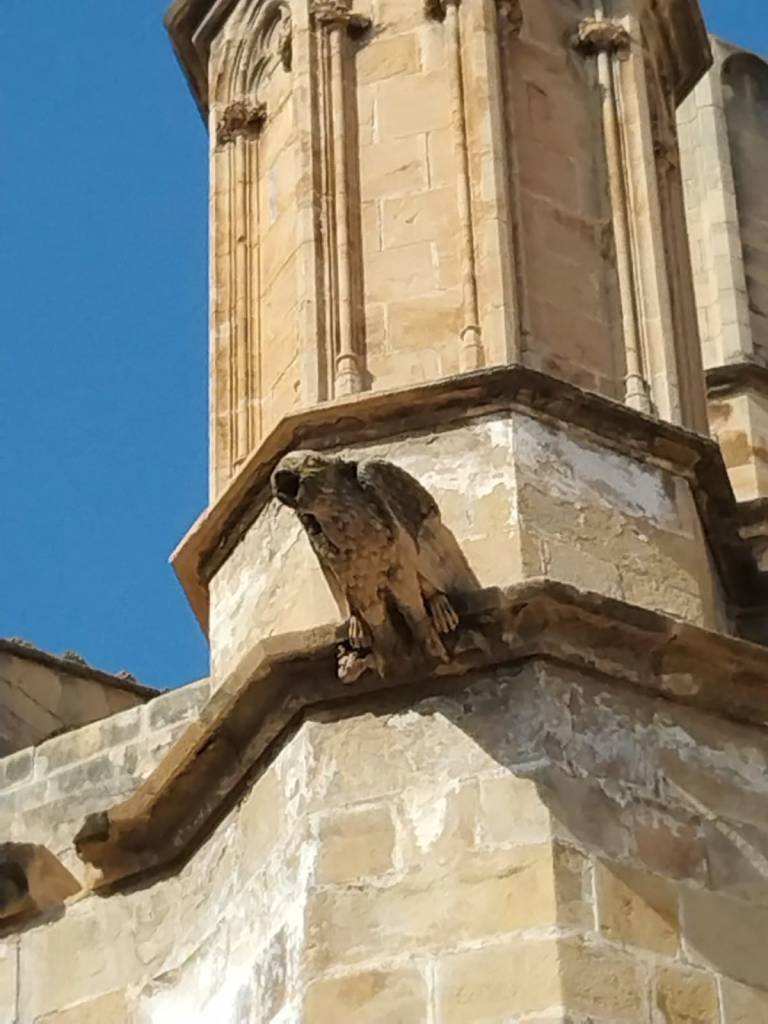
We soon turn away from the river into a maze of little streets and then just as quickly we arrive in the huge square in front of the ancient cathedral. It is enormous and I can hardly see the top. The massive metal looking doors standing firm under the finely decorated arches. Dad says it’s been here since the 14th century and that makes it older than him! The carved water spouts high up on the roof – I think they’re called gargoyles – scare me a bit and they remind me of a picture I once saw of Notre Dame in Paris that had something similar.

Cathedral Square
Scary gargoyles

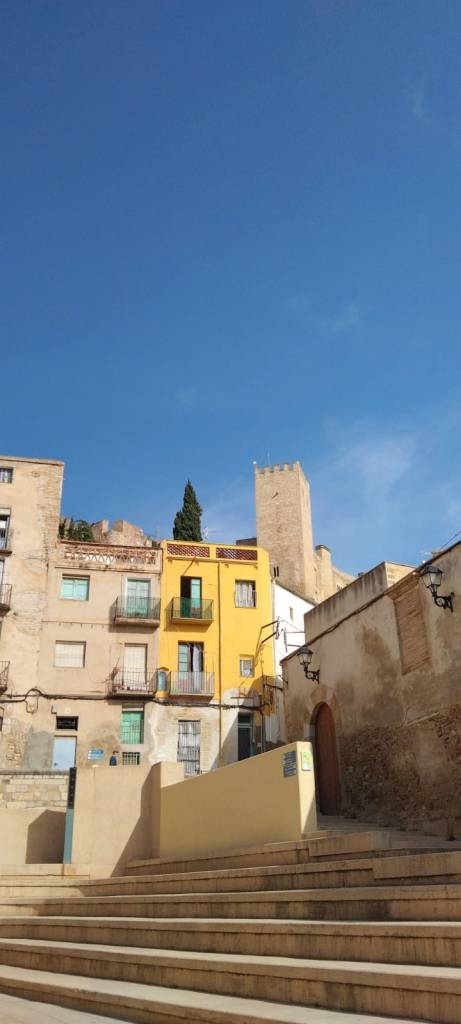
High up on the hill above us I can just see the castle that has been protecting the locals since the Moorish invasions back 1500 years ago. The thick walls make me feel a bit safer as we pass under the archway and into the old medieval part of town.

The castle on the hill
Still protecting the city

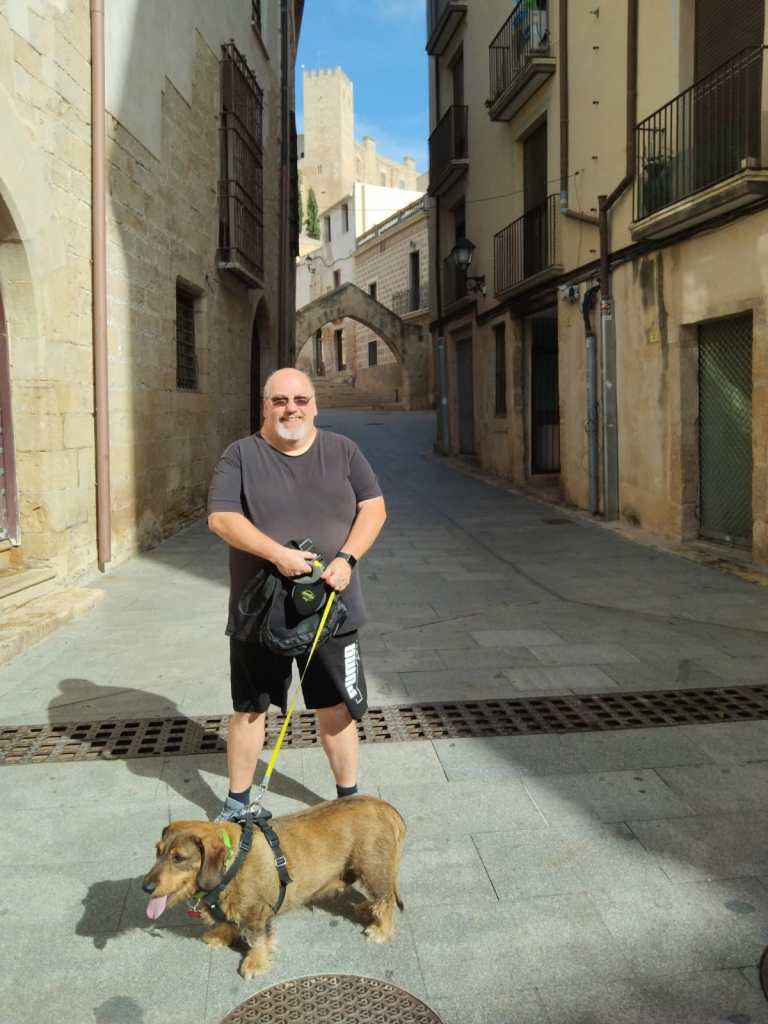
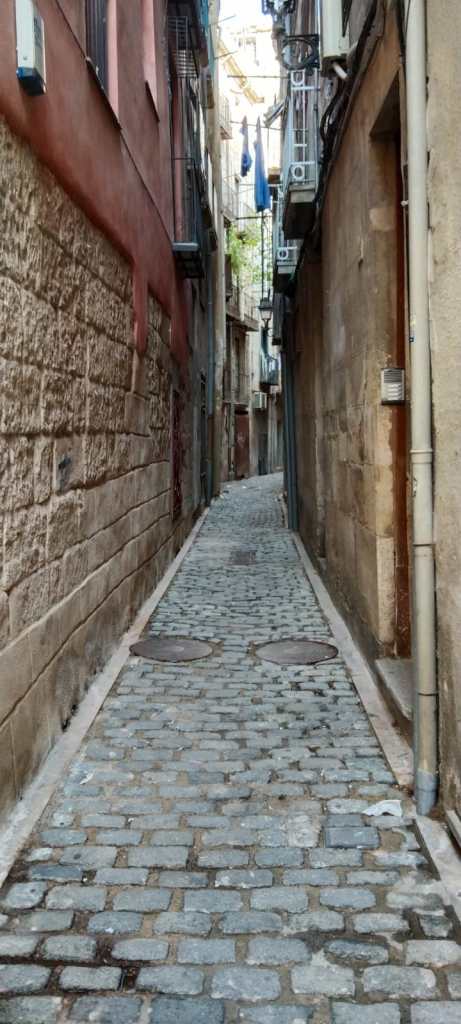
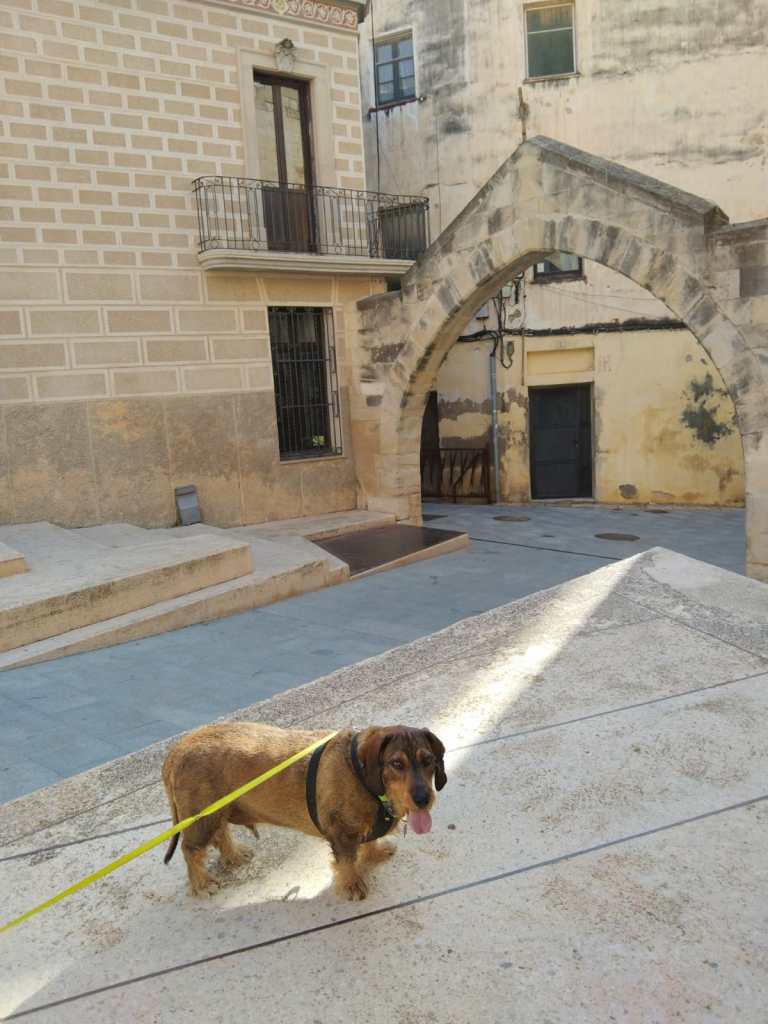
The streets are really narrow and the buildings reach up to the sky. Narrow fronted with a small doorway and usually only one window, most tower above us to three or four floors. People still live here in these streets that are hardly wide enough for a donkey and cart to pass through. I can see washing drying from the little balconies and I’m sure that everyone knows their neighbours as you can almost hold hands across the street. Harry Potter and his friends from Diagon Alley would surely be at home here!

Is this Diagon Alley?

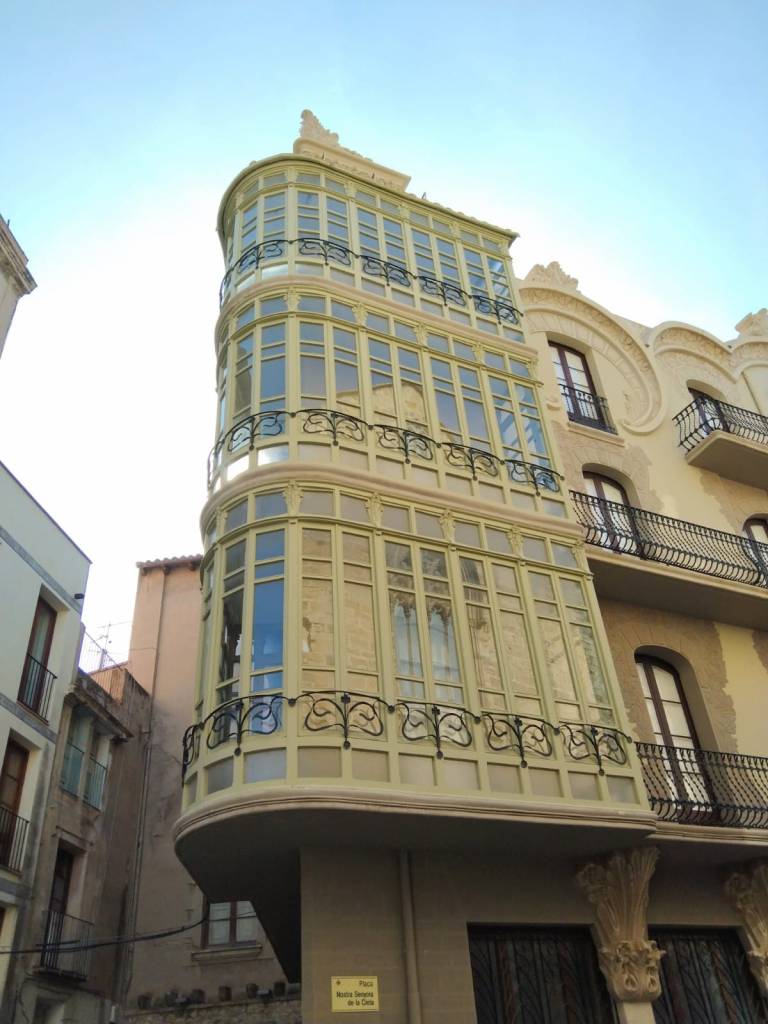
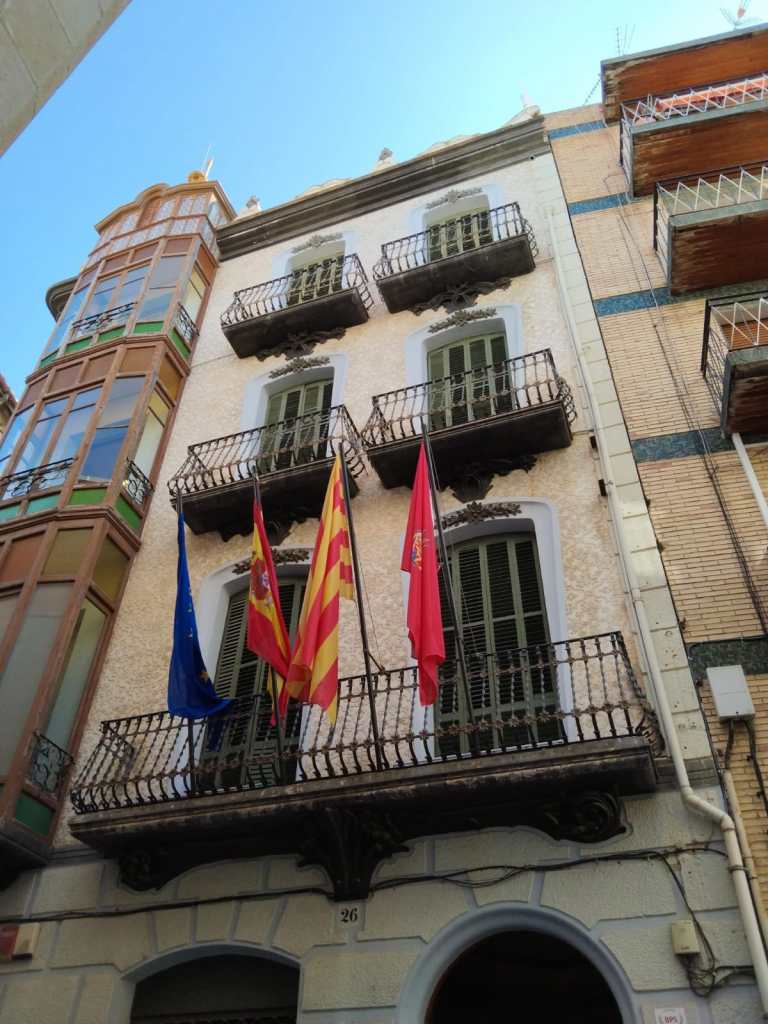
As we turn another corner, squeezed into the medieval maze, we come across a big surprise. It’s a beautiful art deco (modernisme style in Catalan) house, right in the middle of an ancient street. It’s Casa Grego and was built as a fancy family house back in 1910. I love it! It’s my favourite type of architecture and something surprising in this old city. As we walk on we find another, and then another. This is a city of contrasts!

Casa Grego
More modernisme

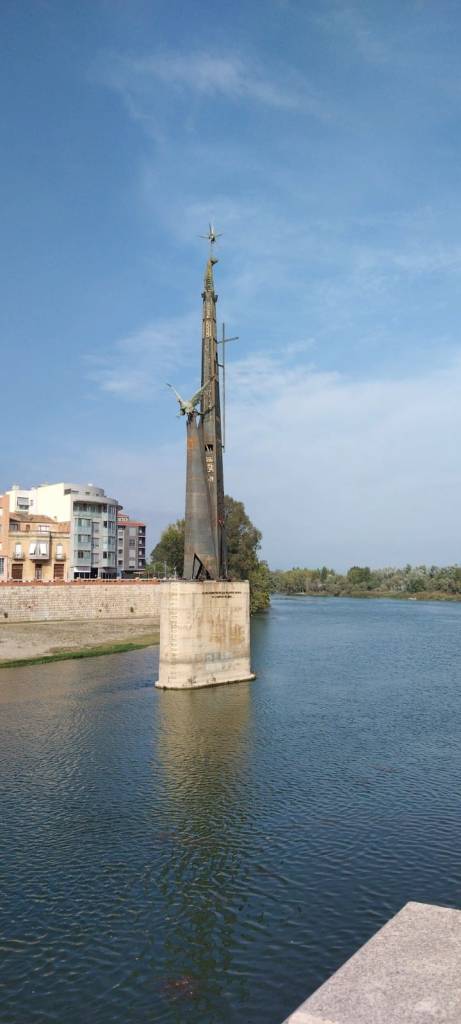
Finally we turn the corner of the street again and we are back at the river. In front of us is a huge monument made from rusting metal. Dad says it’s the memorial for the people that died during the Spanish civil war in the 1930s. He explains that Spain was divided into supporters of the facists lead by General Franco and the nationalists. People who lived in the countryside didn’t get the option of who to support and they had to follow the local government supporters. In the cities there was a lot of fighting and Tortosa was the site of one of the bloodiest battles in the war. Even though underground shelters were built, which you can still visit today, thousands of people died. Franco eventually “won” and he controlled the country until he died in the 1970s. Apparently no one knows exactly how many people died in the civil war but it is estimated to be around a million.

Civil War Memorial

The memorial in the river was put up by Franco in 1960 and is made from the metal of the bombed bridges. After his death the Catalan people repurposed the monument to commemorate everyone that died in the war, not just those fighting for the facists.

This scares me and now I understand why we had to leave Hungary and my brothers and sisters. It’s scary how one man can breed such hatred and have so much control and I feel sad that my birth country is moving towards a horrible dictatorship where anyone who doesn’t agree with the government or is “different” can be eradicated.

It’s been an interesting adventure. My little legs ache and I need a snooze. Learning about the past was good but hearing about the war is scary. Now I wish the leaflet I found was for a tortilla recipe. I’m hungry now!

Time for Tortilla in Tortosa!

Riding in the coche … or is it cotxe?

We’ve decided to go exploring today and of course it involves my favourite transport – the car or as we call it here in Spain coche. But today I’m confused because Dad says it’s called cotxe! Only for today though because we’re going to Catalonia and apparently they don’t speak Spanish there – it’s Catalan! Just when I thought I’d got the hang of things.

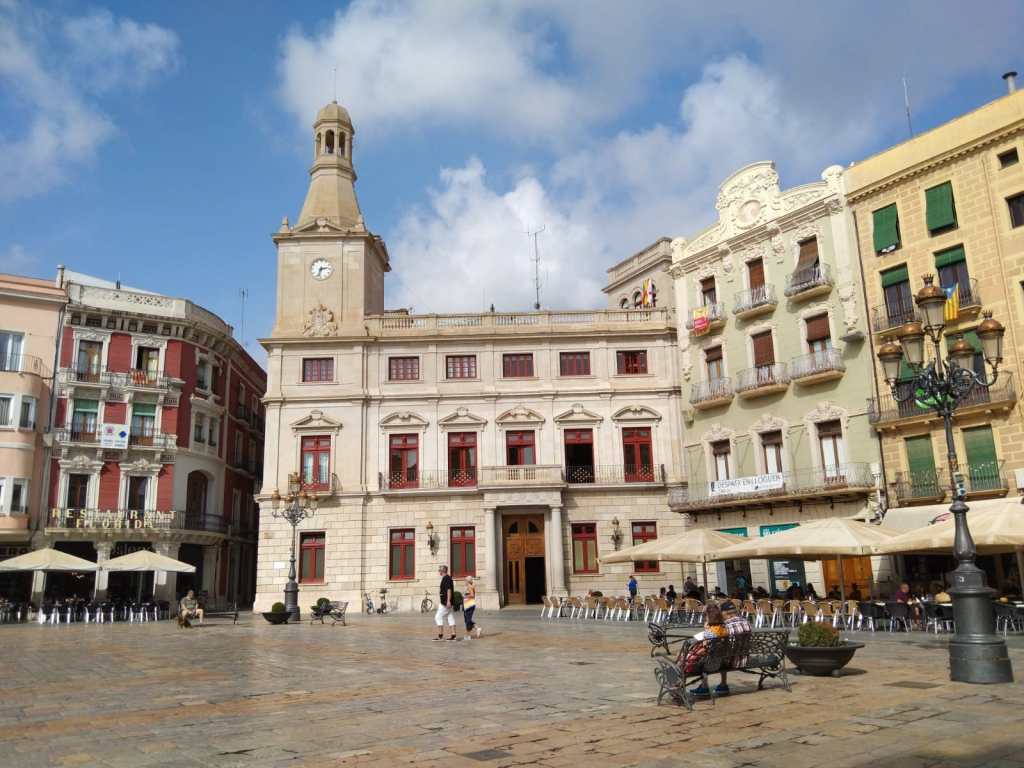
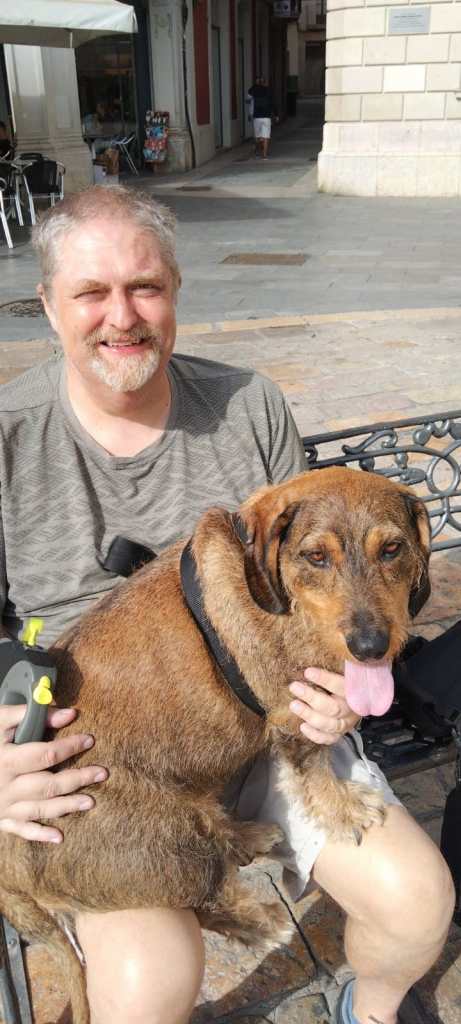
So we are soon whizzing up the motorway and in just over an hour we arrive in a place called Reus. This old town is between the mountains and the sea and is famous for wine making and liquors. Sounds yummy to me but Dad says I’m too young for tasting so I have to make do with a bowl of water while they have coffee in Prim Square.

Coffee for them – water for me!

Most people only know the town because of the airport that has low cost flights to the UK. However people have lived here since Roman times and the name actually means Roman Prison! I’m glad I wasn’t around then as it doesn’t sound like much fun. The town was small until the 18th century when the liquor production really took off and the town expanded. At that time it was the biggest liquor producer in the world, even bigger than Paris and London.

The other thing that Reus is famous for is it is the birthplace of modernisme art. At the start of the 1900s Art nouveau was the big fashion and Spain was also part of the craze. Each country had it’s own take on the style but Spain was a bit different. I’ve always thought of Spain as one country but in fact it is a complex mix of 15 seperate regions, each with it’s own style, culture and, in many cases dialect or even language. Catalonia is no exception and the modernisme style brought it’s own uniqueness.

Plaça del Mercadal

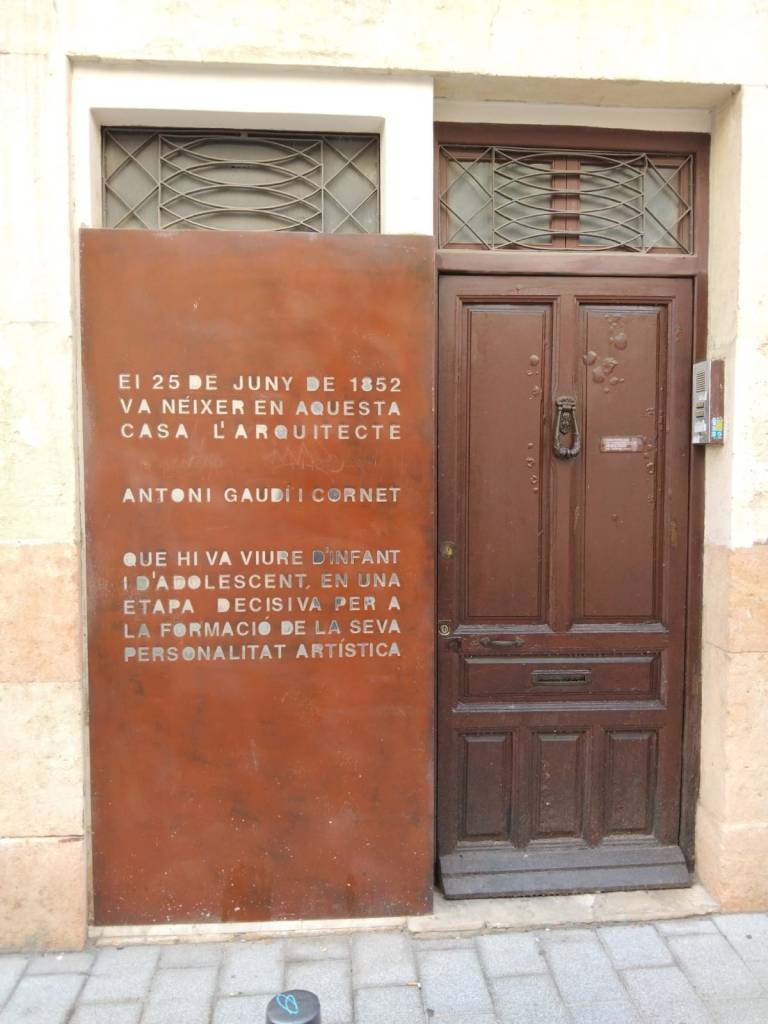
One of the greatest artists of the time was Antonio Gaudi and he was born in Reus in 1852. As we walk through the narrow streets of the old town, we find the little house where he was born into a family of coppersmiths. Although there are none of his designs in the town – he worked mainly in Barcelona – the modernisme style can be seen everywhere. It contains the symbols of the region, culture and language which were all banned at the time and are displayed in the designs of the unique buildings.

Gaudi’s birthplace

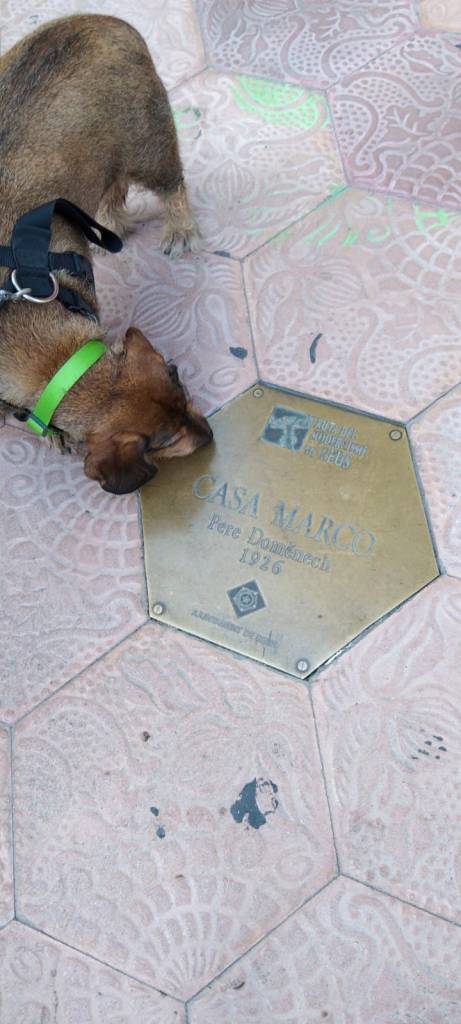
The streets in the old part of the town are narrow and cobbled but nearly every house has been designed by a famous architect of the era. Plaques in the floor in front of the buildings state the architects name and the dates of the buildings. I wonder how many dogs have sniffed around these streets!

Who designed this one?

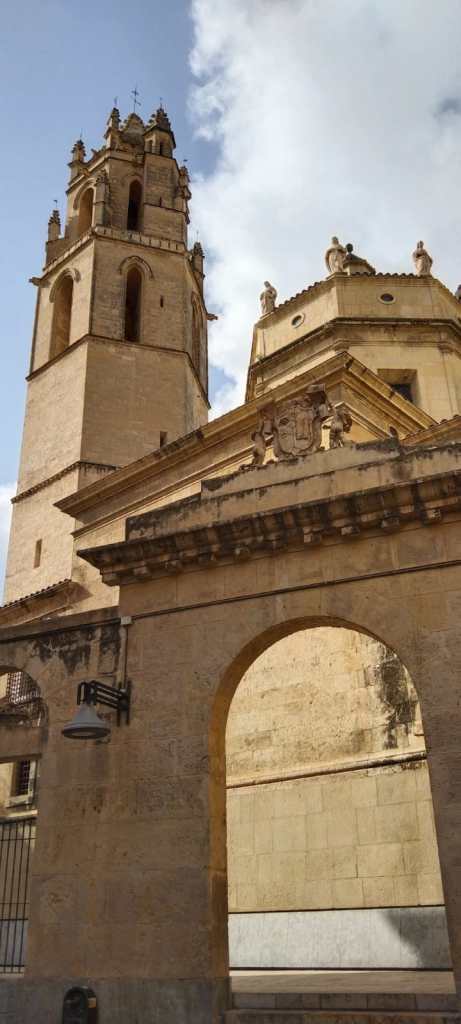
We reach the church that has been standing since the 13th century. It’s one of the few buildings that don’t have the modernisme influence. However the sign outside says that Gaudi used the spiral staircases in the tower as inspiration for his most famous work in La Sagrada Familia church in Barcelona.

Inspirations

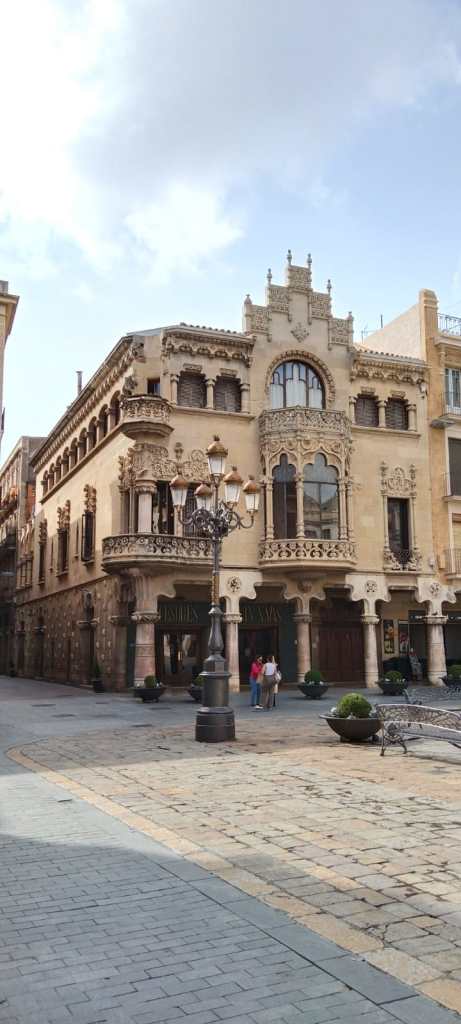
As we stroll back into the Plaça del Mercadal, we stop to admire the beautiful Casa Navás. It’s so grand I think it must be a government building but I am wrong. It was built in 1901 as a private house. Wow! Too grand for me!

Casa Navás

I spot a little stone marker in the floor of the square that says tronada. I ask Dad what it means and he says it’s a Catalan word for storm but in fact it marks the spot where the famous Saint Pere celebration takes place and where a huge display of fireworks takes place. I hate fireworks so I start to make a run back to the car – I’m not taking any chances!

Tronada! Not for me!

I love Reus. Not only because it’s the birthplace of my favourite designer – I might ask for a Gaud designed dog bowl for Christmas! – but the people here are proud of their heritage which has been repressed and even banned for so many years. Catalan is a beautiful and unique language and I’m an honoured dog being able to experience something so unique, even if it was only a day.

So for now…..

Goodbye Reus! See you again!

Adéu Reus! Ens tornem a veure!

Adiós Reus! Hasta Luego!

Adéu Reus!